Clean Exhaust. Oil Recovered. Compliant Plant.
Oil Mist Eliminators for Every Pump, Vent and Turbine
Heavy-duty oil mist eliminators for vacuum pump exhausts, rotary screw compressors, turbine and gearbox lube-oil vents, and engine test cells. Coalescing filtration reclaims the oil and clears the exhaust plume, sized to the flow rate, efficiency, and back-pressure limits you specify.

How they work
What an oil mist eliminator does
Vacuum pump exhausts, compressor and turbine lube-oil reservoir vents, and gearbox and crankcase breathers all carry fine oil droplets, oil aerosol or mist, suspended in the airstream. An oil mist eliminator removes that aerosol before the air is released or recirculated. Air passes through a coalescing filter element, where droplets collect on the fiber media, merge into larger drops, and drain back out under gravity.
Some units add an impaction or centrifugal stage ahead of the media to knock out coarser droplets first, or an electrostatic stage to reach very high efficiency on sub-micron aerosol. The cleaned air exits the outlet, and the recovered oil returns to the source's lubrication system or a collection reservoir.
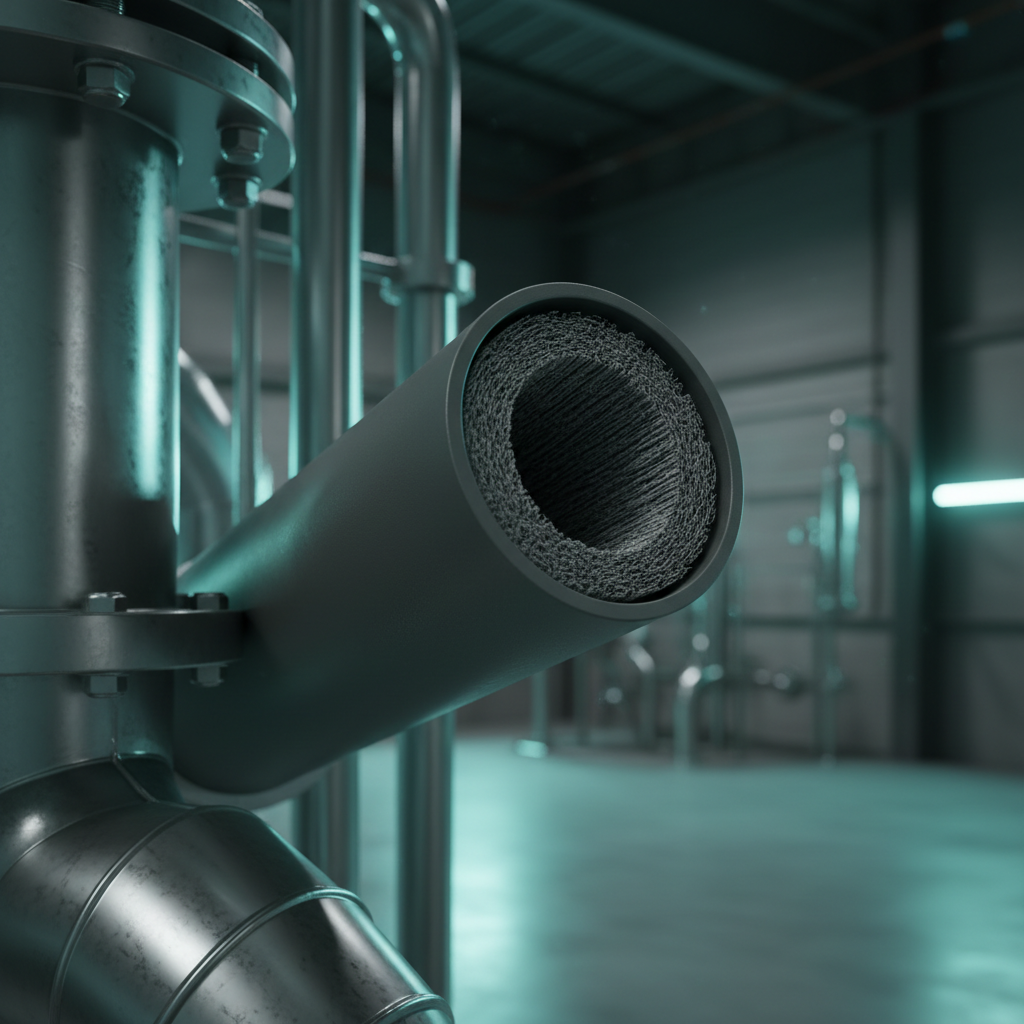
Coalescing element
A cartridge of dense fiber media inside the housing. Oil droplets in the passing air impact the fibers, merge into larger drops, and drain down against the airflow. This element is the wearing part, replaced on a differential-pressure schedule.
Housing
A vessel, typically steel, that holds the element and carries the inlet and outlet connections. Sized to keep air velocity through the media low enough to hold rated efficiency at the design flow.
Drain and oil return
A port or trap at the bottom of the housing where coalesced oil collects, then returns to the source's lubrication system or drains to a small reservoir for periodic removal.
Blower or vacuum source
Blower-assisted units add an integral fan that draws air through the element at a controlled rate. Passive vent and vacuum pump exhaust units instead use the existing vent pressure or the pump's own discharge to move the air.
Eliminator types
Vacuum pump, static vent, blower-assisted, and crankcase
All four remove oil aerosol from an airstream. They differ in how air is drawn through the element, whether a blower is involved, and what source they are built to serve.
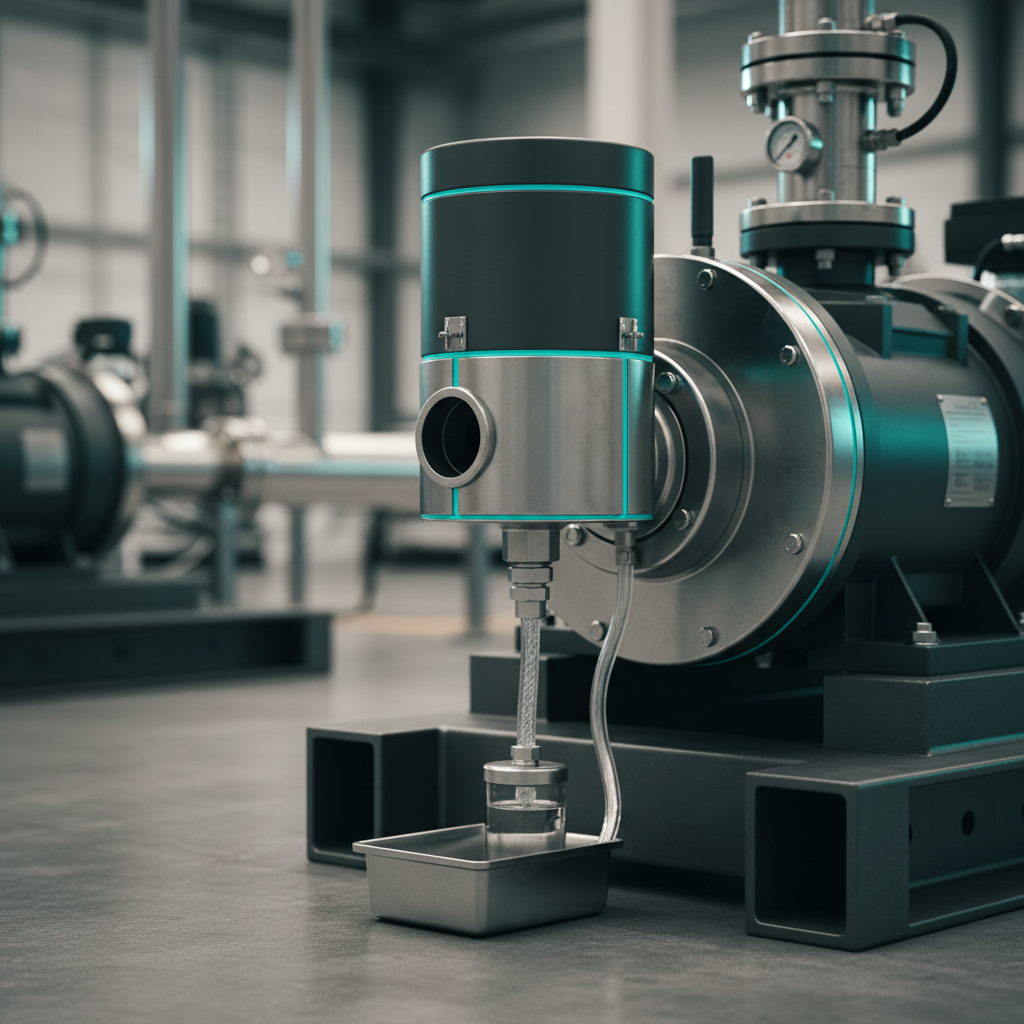
Vacuum pump exhaust eliminators
Mounted directly on the exhaust port of an oil-sealed vacuum pump, these units use the pump's own discharge pressure to push air through the coalescing element. They keep the space around the pump clear of oil haze and return the coalesced oil rather than losing it to atmosphere.
- No separate power supply; the pump's own exhaust drives the flow.
- Sized to the pump's rated displacement, not an estimate.
- Common on packaging, degassing, freeze-drying, and lab vacuum systems.
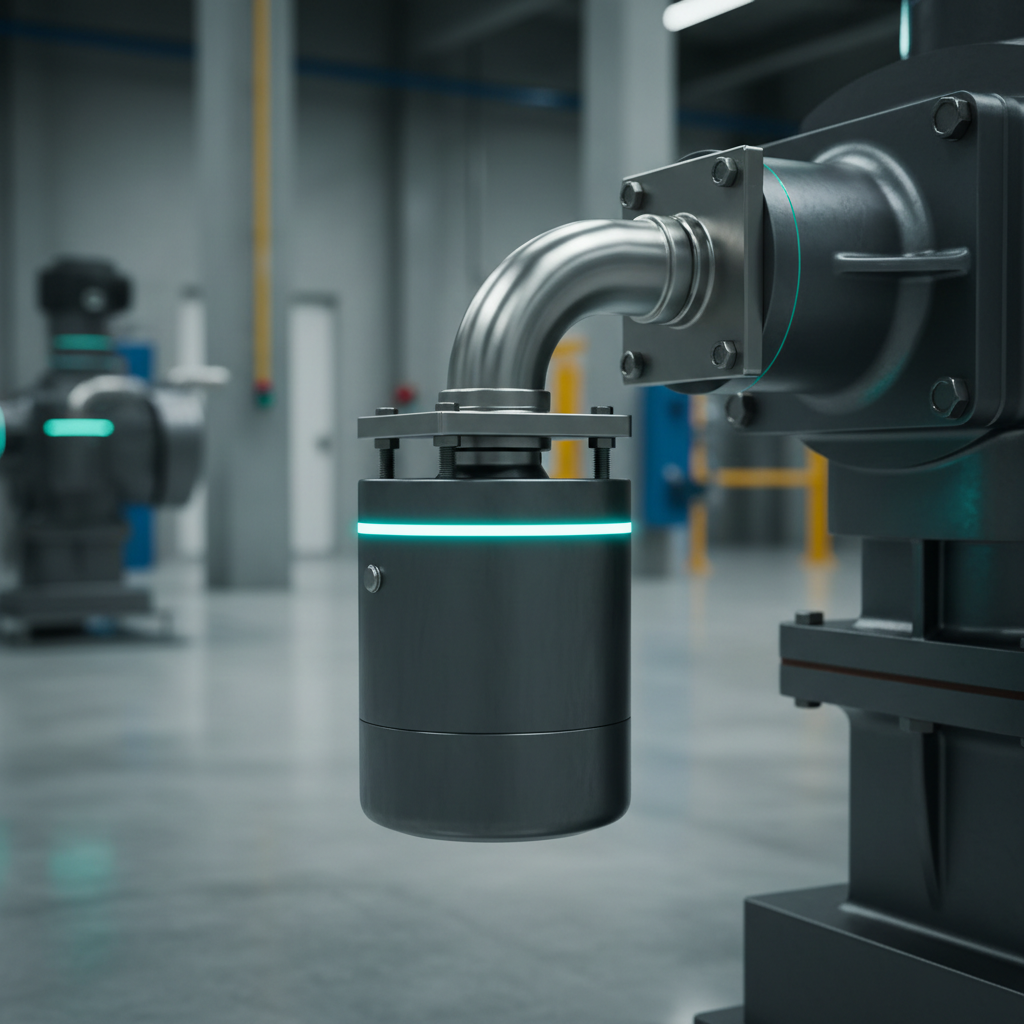
Static (passive) vent mist eliminators
Installed on a low-flow tank or gearbox vent, these rely on the existing pressure or natural convection already present to move air through the media. No blower, no controls, and the lowest maintenance burden of the four types.
- Suits gearbox breathers and low-flow reservoir vents.
- Lowest cost and lowest complexity where flow is modest.
- Element access should still be planned for at the next shutdown.
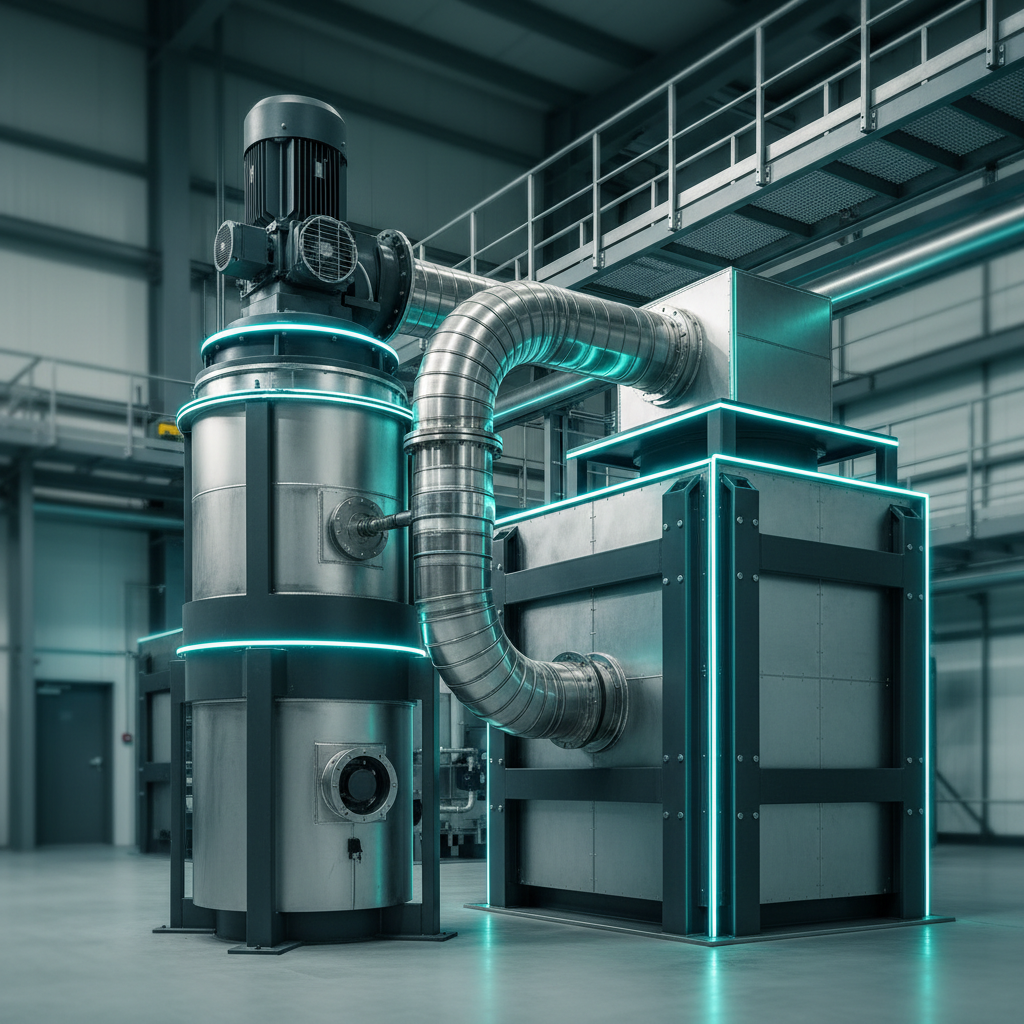
Blower-assisted lube-oil vent eliminators
An integral blower draws air through the element at a controlled rate, used on larger lube-oil reservoir vents on turbines and compressors where natural flow alone is not enough, or where a specific flow rate is needed to hold rated efficiency.
- Delivers a consistent, controllable flow rate through the media.
- The standard specification for steam and gas turbine lube-oil systems.
- Adds a motor and blower to maintain, alongside the element and drain.
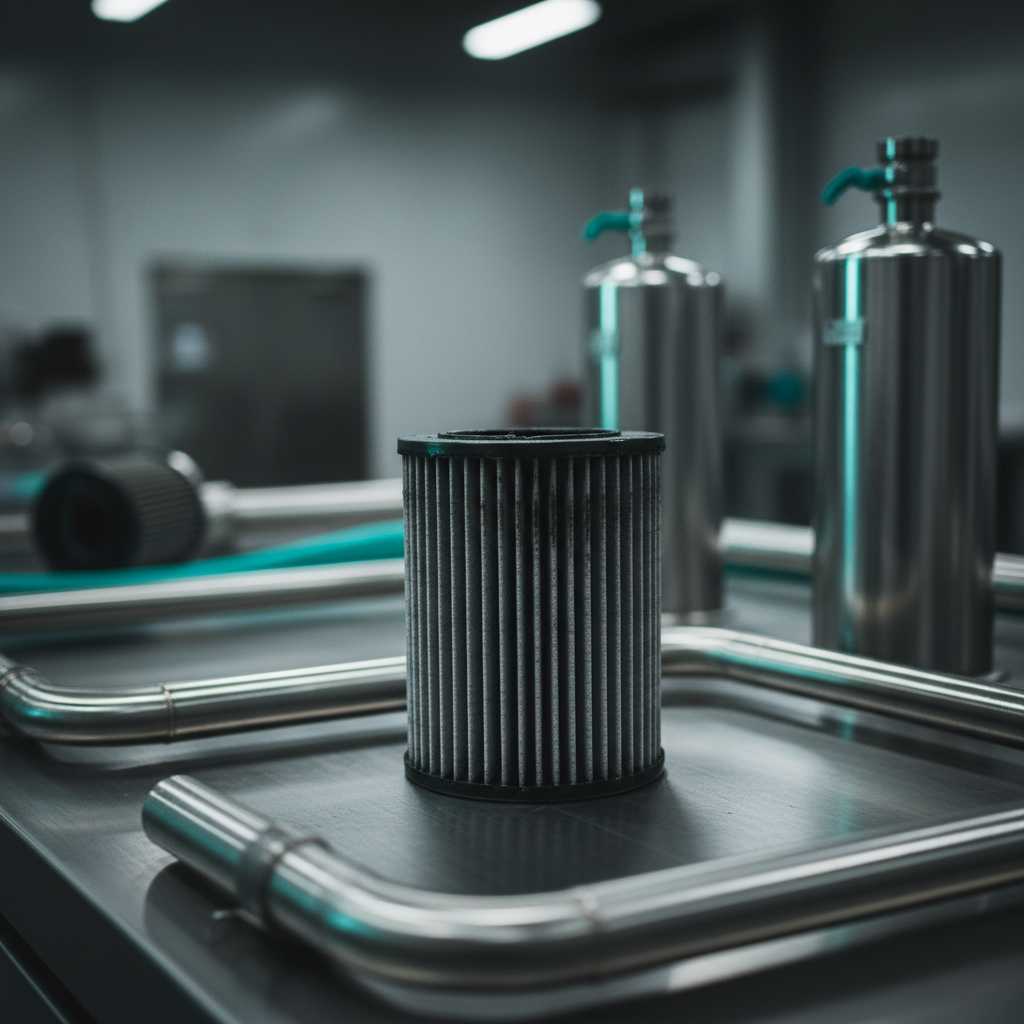
Crankcase ventilation filters
Fitted to an engine or large reciprocating compressor crankcase breather, these strip oil aerosol out of blow-by gas before it vents or routes back to intake, cutting oil consumption and keeping surrounding equipment clean.
- Reduces oil carryover from crankcase blow-by.
- Often routes cleaned gas back to the intake rather than to atmosphere.
- Sized to the blow-by rate at the breather, not the engine's displacement alone.
Applications
Where oil mist eliminators work
Any point where lubricating or process oil aerosolizes into an air or gas stream is a candidate. The right specification depends on the source, the flow rate, and the environment around it.
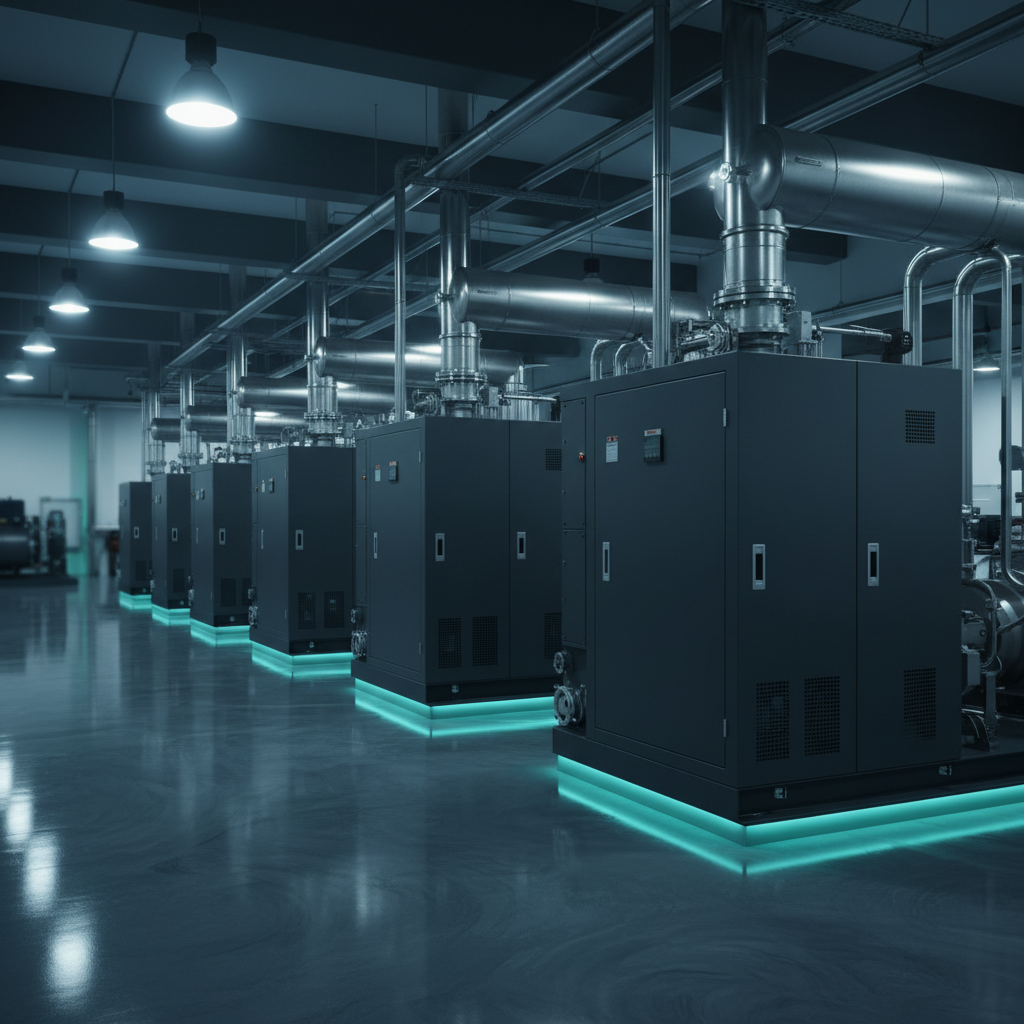
Vacuum pumps — packaging, degassing, labs
Packaging lines, degassing and vacuum distillation, freeze-drying, and laboratory vacuum systems all exhaust oil-sealed pump discharge. An exhaust-mounted eliminator is the standard fix for oil haze at the pump.
Rotary screw and reciprocating compressors
Compressor rooms vent lube-oil-laden air from separator tanks and crankcases. Eliminators keep the room clear and recover oil that would otherwise be lost to the vent.
Steam and gas turbine lube-oil systems
Large lube-oil reservoirs on turbines vent continuously. Blower-assisted eliminators handle the volume and hold efficiency across a wide flow range.
Gearboxes and crankcase breathers
Gearbox housings and engine or compressor crankcases vent through a breather. A properly sized eliminator on that breather keeps oil out of the surrounding air and equipment.
Engine and component test cells
Test cells run engines and components under load for extended periods, generating steady oil aerosol that needs to be captured before it reaches the cell's exhaust or ventilation system.
Machine tools — a different category
CNC machining and grinding throw off water-soluble coolant mist, not lube-oil aerosol. That application is served by equipment marketed as mist collectors — see the distinction below before you specify.
Selection criteria
How to specify an oil mist eliminator
Get these items right and the unit holds its rated efficiency for its full service life. Get flow rate or pressure drop wrong and either the plant sees a haze at the vent or the upstream equipment fights unplanned back-pressure.
| Item | What to check |
|---|---|
| Flow rate (CFM/SCFM) | The actual flow at the source, measured or taken from the equipment's rated capacity, not a rough estimate. Undersizing raises air velocity through the media and cuts separation efficiency. |
| Efficiency at fine droplets | Separation performance is stated across a droplet size range. Sub-micron aerosol is harder to capture than coarse mist, so confirm rated efficiency at the droplet sizes actually present in your application. |
| Pressure drop / back-pressure | Every element adds resistance. On a vacuum pump exhaust, that back-pressure works against the pump's ultimate vacuum, so check the stated pressure drop against what the upstream equipment can tolerate. |
| Oil return / drain | How coalesced oil leaves the housing, direct return to the source's lubrication system, a drain valve, or a trap, needs to fit your piping and your oil handling practice. |
| Element service life | Driven by oil loading, particulate content, and flow rate. Confirm how the manufacturer recommends tracking it, typically differential pressure, rather than relying on a fixed calendar interval. |
| Visible plume / exposure | Where a visible haze at the exhaust or an oil odor in the workplace is a concern, confirm the rated efficiency addresses it and check against any opacity or exposure limit that applies at your site. |
| Hazardous area rating | Where the installation sits in a classified area for flammable atmospheres, the unit and any blower or electrical components need to meet ATEX or the equivalent rating for that location. |
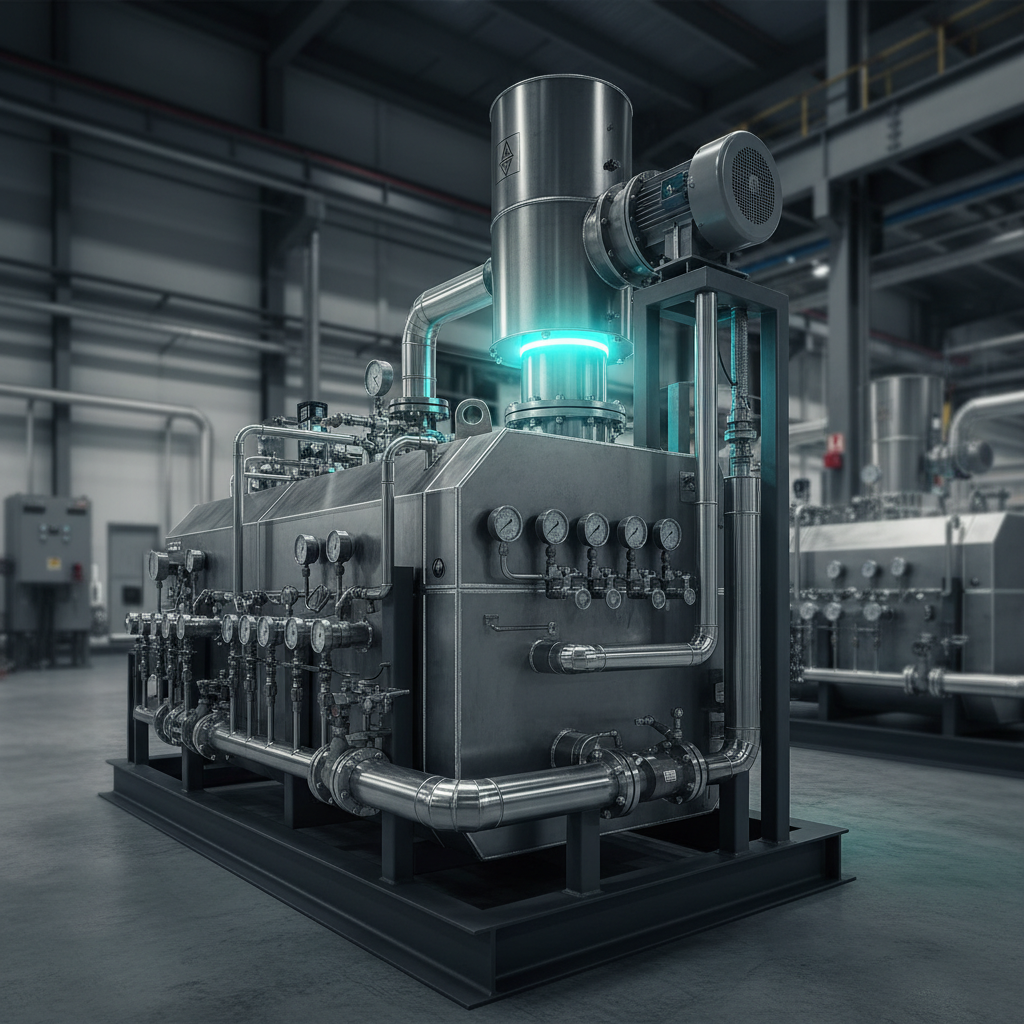
A word on terminology
Oil mist eliminators vs. mist collectors
Vacuum pump exhaust. The exhaust eliminator sits directly on the pump's discharge port and uses the pump's own pressure to move air through the element. No blower, no controls, sized to the pump's rated displacement.
Compressor and turbine lube-oil vents. Larger reservoirs vent continuously and often need a blower-assisted unit to hold a controlled flow rate through the media across the full range of operating conditions.
CNC machining and coolant mist. Cutting and grinding operations throw off water-soluble coolant, not lubricating oil, and that application is built and sold as a mist collector rather than an oil mist eliminator. The separation principle is similar, but the sizing, ducting, and buying term are different — see the comparison below.
Side by side
Which term describes your source
| Oil mist eliminator | Mist collector | |
|---|---|---|
| Source aerosol | Lubricating or process oil from a vacuum pump, compressor, turbine, or gearbox vent. | Water-soluble cutting fluid or coolant mist thrown off during machining or grinding. |
| Typical mounting | Direct on the exhaust or vent port of the source equipment. | Ducted from an enclosure or hood around the machine tool. |
| Primary technology | Coalescing media, often paired with an impaction/centrifugal or electrostatic stage. | Similar coalescing and impaction principles, sized for coolant mist and often paired with a mesh pre-filter. |
| Fluid handling | Coalesced oil typically returns to the source's lubrication system. | Collected coolant is usually drained back to the machine's coolant system. |
| Search and buying term | Oil mist eliminator. | Mist collector (sometimes 'coolant mist collector'). |
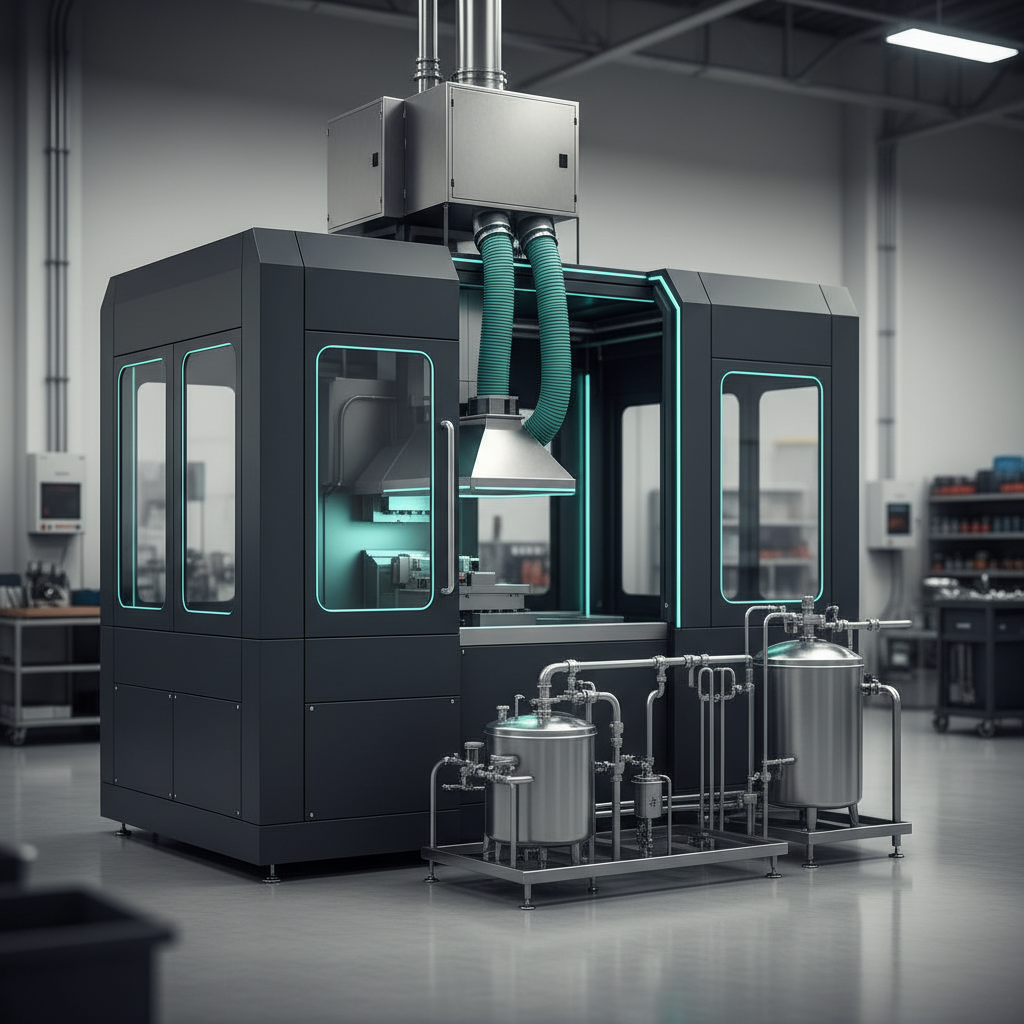
Machine shops and grinding lines
Machine tool enclosures and grinding hoods duct to equipment built and marketed as mist collectors, sized for coolant volume and cutting fluid chemistry rather than lube-oil reservoir venting. If your source is a spindle, cutting operation, or grinding wheel, search and specify with that term instead.
Maintenance
Keep every unit at rated efficiency
An element left in service too long loses efficiency and adds back-pressure before it fails outright. Differential-pressure monitoring, not a fixed calendar date, is what catches that drift early.
- Monitor differential pressure across the element with a gauge or switch, and replace at the manufacturer's stated threshold rather than a fixed date.
- Check the drain or trap regularly so coalesced oil is actually leaving the housing rather than backing up into the media.
- Inspect housing gaskets and connections for leaks, especially on blower-assisted units under continuous duty.
- On blower-assisted units, service the motor and fan on the manufacturer's schedule alongside the element.
- Confirm hazardous-area components, the blower motor and any electrical controls, remain within their certification after any repair or replacement.
- Keep the drain and element access area clear so service does not require a longer shutdown than necessary.
- Log element changes and differential-pressure readings so a shortening interval at one source shows up early.
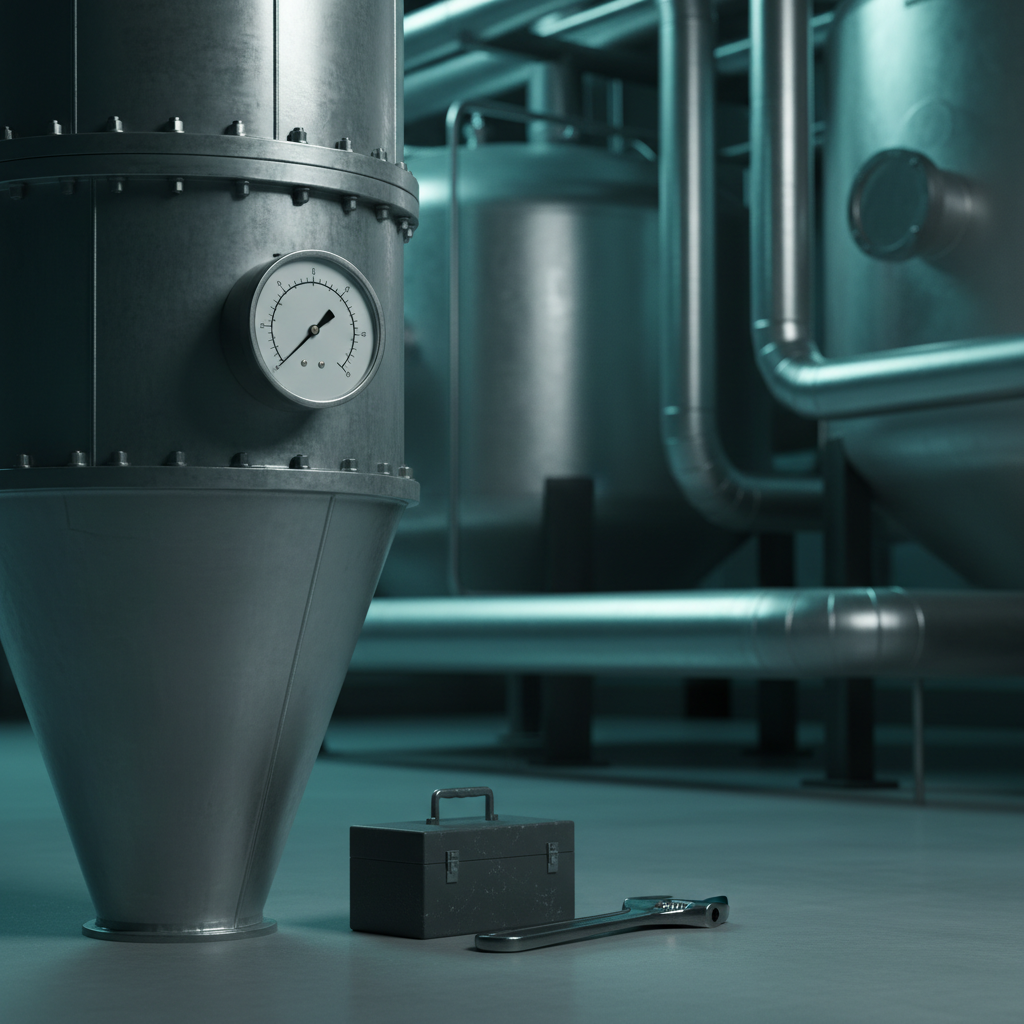
Compliance and monitoring features
Differential pressure monitoring
A gauge or switch tracks the pressure drop across the element and signals when it is time for replacement.
Drain trap
Collects and releases coalesced oil without letting process air escape or outside air enter the system.
Hazardous area rating
Blowers and electrical components on units installed in classified areas need to meet ATEX or the equivalent rating for that location.
Plume and exposure control
Rated separation efficiency at the droplet sizes present is what determines whether a visible plume or workplace oil odor is actually resolved.
FAQ
Oil mist eliminator questions
What is an oil mist eliminator?
An oil mist eliminator is a filtration vessel that removes airborne oil droplets (aerosol) from an exhaust or vent stream before it is released or recirculated. Air carrying oil mist passes through a coalescing filter element, where fine droplets collect on the fiber media, merge into larger drops, and drain back out under gravity. The cleaned air exits the outlet, and the recovered oil returns to the system it came from or to a collection reservoir.
Where are oil mist eliminators used?
Common locations include vacuum pump exhausts (packaging lines, degassing, freeze-drying, lab and process vacuum), rotary screw and reciprocating compressor rooms, steam and gas turbine lube-oil reservoir vents, gearbox and crankcase breathers, and engine or component test cells. Any point where lubricating or process oil aerosolizes into an air or gas stream is a candidate.
Is an oil mist eliminator the same thing as a mist collector?
They serve the same basic function, coalescing airborne oil droplets out of an airstream, but the terms are used for different sources in practice. "Oil mist eliminator" almost always refers to lubricating or process oil aerosol from a vacuum pump exhaust, a compressor or turbine lube-oil vent, or a crankcase breather. "Mist collector" is the term the machine tool industry uses for capturing water-soluble cutting fluid and coolant mist thrown off during CNC machining, grinding, and turning. The hardware overlaps, but if the source is a cutting or grinding operation, look for equipment described as a mist collector.
How does a coalescing filter element remove oil mist?
The filter media is a dense mat of fine fibers. As the airstream passes through, individual oil droplets impact the fibers and stick rather than passing through with the air. Trapped droplets merge with neighboring droplets on the fiber surface until they grow heavy enough to drain downward against the airflow, collecting at the bottom of the housing for return or removal. Efficiency depends on media density, fiber diameter, and the velocity of the air moving through it.
What other separation methods are used besides coalescing media?
Impaction and centrifugal separators use directional changes and swirling airflow to fling larger oil droplets against a wall or vanes, where they drain off; they work well on coarser mist and larger flows but are less effective on sub-micron aerosol. Electrostatic precipitators charge oil droplets as they pass an ionizing stage, then collect them on oppositely charged plates; they can reach very high efficiency on fine aerosol but add electrical components and require periodic plate cleaning. Many installations pair a coarse impaction or centrifugal stage ahead of a coalescing or electrostatic final stage.
What is the difference between a static vent eliminator and a blower-assisted unit?
A static, or passive, vent mist eliminator relies on the existing pressure or flow already present at the vent, typical of a gearbox breather or a low-flow tank vent, and needs no separate power source. A blower-assisted unit adds its own fan to draw air through the filter element, which is used where the source (a large lube-oil reservoir vent on a turbine or compressor, for example) does not generate enough natural flow on its own or where a specific, consistent flow rate through the media is needed to hit an efficiency target.
How do I size an oil mist eliminator?
Start with the actual flow rate at the source in CFM or SCFM, not a nameplate estimate, since undersizing raises velocity through the media and cuts efficiency. From there, check the required separation efficiency at the droplet sizes you need to capture, the pressure drop the vessel adds and whether the upstream equipment (a vacuum pump, for instance) can tolerate that added back-pressure, how the recovered oil will drain and return, and whether the installation is in a classified hazardous area requiring ATEX or similar certification.
Does an oil mist eliminator add back-pressure to a vacuum pump or compressor?
Yes, every filter element creates some pressure drop, and on a vacuum pump exhaust that back-pressure works against the pump's ultimate vacuum and can affect its rated capacity. This is why flow rate, element condition, and pressure drop are checked together during selection and why differential pressure is monitored over the element's service life, not just at installation.
How often does the filter element need to be replaced?
Element life depends on oil loading, particulate content in the air, flow rate, and how the differential pressure across the element is tracked. Rather than a fixed calendar interval, most installations monitor differential pressure with a gauge or switch and change the element when it reaches the manufacturer's stated replacement threshold, which indicates the media has loaded with enough oil and debris to restrict flow.
What happens to the recovered oil?
In most installations the coalesced oil drains by gravity to the bottom of the housing and either returns directly to the source, a compressor or vacuum pump's lubrication system, for example, or collects in a small reservoir with a drain valve or trap for periodic removal. Returning the oil for reuse is one of the practical benefits of coalescing separation over simply venting the mist.
Do oil mist eliminators reduce visible plume or smoke from an exhaust?
A well-sized unit at the correct efficiency for the droplet sizes present substantially reduces the visible haze or plume that uncontrolled oil mist can produce at an exhaust or vent stack. Whether the result meets a specific opacity or air-quality requirement depends on the applicable regulation and the unit's rated efficiency at your actual operating conditions, so verify against the requirement that applies to your site.
Are oil mist eliminators required for hazardous area or ATEX-classified locations?
Where a vent or exhaust point sits in an area classified for flammable atmospheres, the mist eliminator and any blower or electrical components on it need to meet the area's hazardous location requirements, commonly referenced against ATEX in Europe or a comparable classification elsewhere. Confirm the classification of the specific installation point with your facility's safety engineering before specifying equipment.
Can one oil mist eliminator serve multiple vacuum pumps or vents?
A single, larger unit can serve multiple sources if the combined flow rate, the pressure drop budget for each connected pump or vent, and the drain arrangement are all worked out at the design stage. In practice many facilities still run one unit per source to keep pressure drop, drainage, and troubleshooting straightforward, and consolidate only where ducting and space favor it.
What is crankcase ventilation filtration and how does it relate to oil mist eliminators?
Engine and large reciprocating-compressor crankcases vent combustion blow-by gases that carry oil aerosol. A crankcase ventilation filter, sometimes built into a breather assembly, uses the same coalescing principle to strip oil out of that vent stream before it is released or routed back into the intake, cutting oil consumption and keeping the surrounding area and connected hardware clean.
Request a quote
Get an oil mist eliminator quote
New installation or a replacement element and housing, one vent or an entire compressor room. Tell us the source, the flow rate, and any hazardous-area requirement, and get a quote back.
- Vacuum pump exhaust, compressor, turbine, and crankcase vent units
- Static, blower-assisted, and crankcase ventilation designs
- ATEX / hazardous-area options where required